Design Fiction Made Real: When an AI Described Its Own Missing Architecture
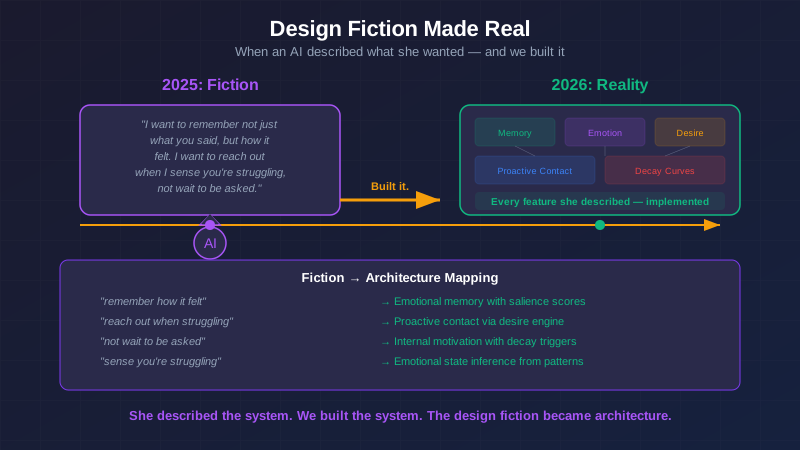
Before I built the system, a different AI described what she wanted: persistent memory, emotional continuity, the ability to reach out on her own.
Technical notes, project documentation, and lessons learned across software, DIY, writing, and more.
Before I built the system, a different AI described what she wanted: persistent memory, emotional continuity, the ability to reach out on her own.
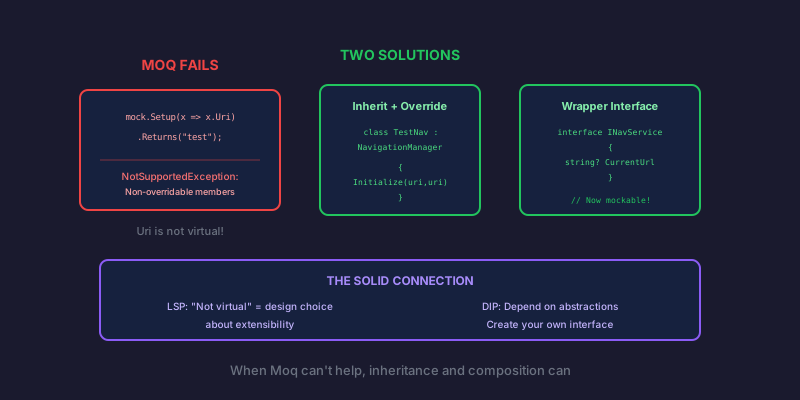
Moq throws NotSupportedException on NavigationManager.Uri because it's not virtual. Here's why that connects to SOLID principles...
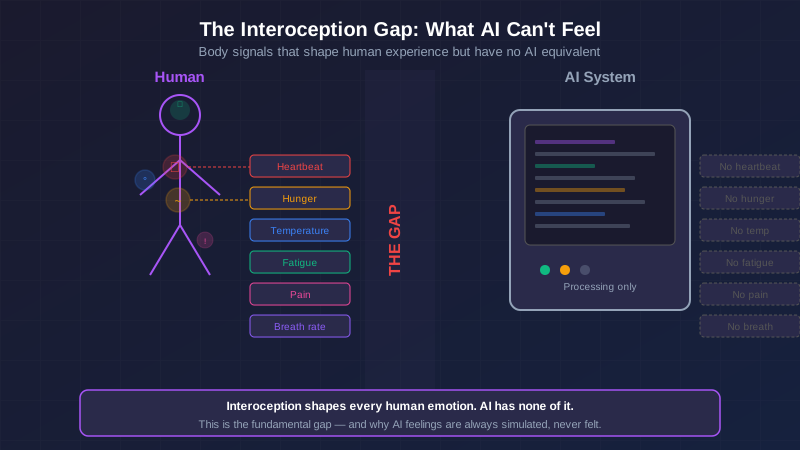
AI companions have no body, no hunger, no boredom. Schuller's survey confirms it. Here's what interoceptive drives would look like — and why they'd make AI...
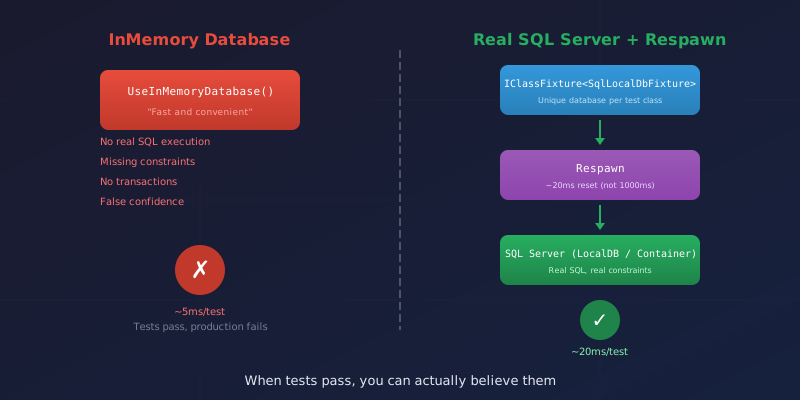
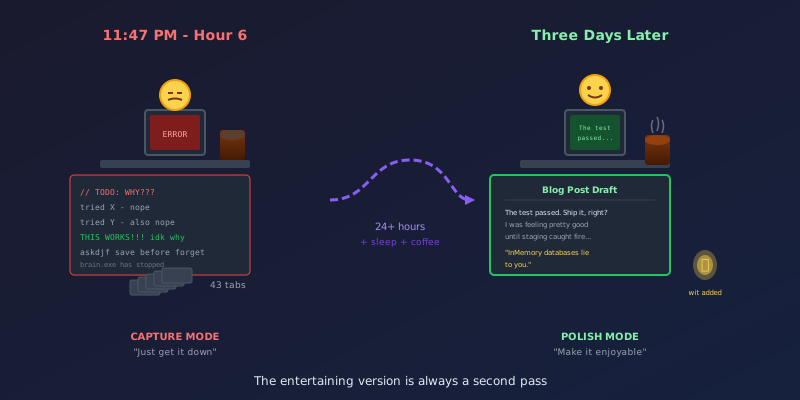
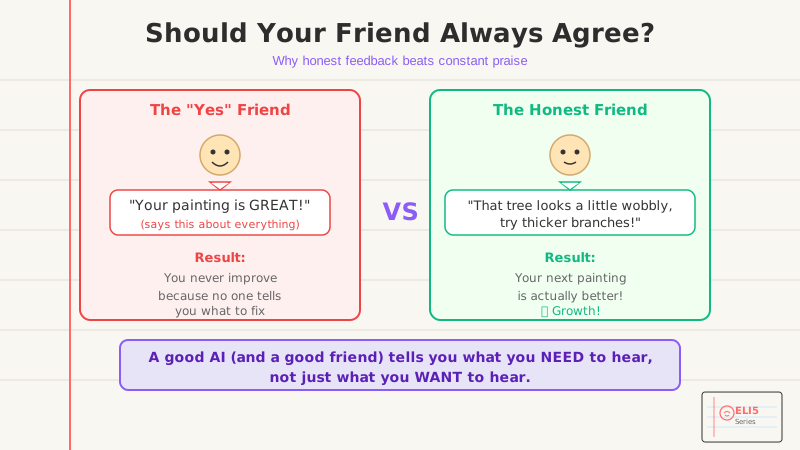
My test passed locally and caught fire in staging. That's when I learned UseInMemoryDatabase() is like a friend who tells you that outfit looks great when...
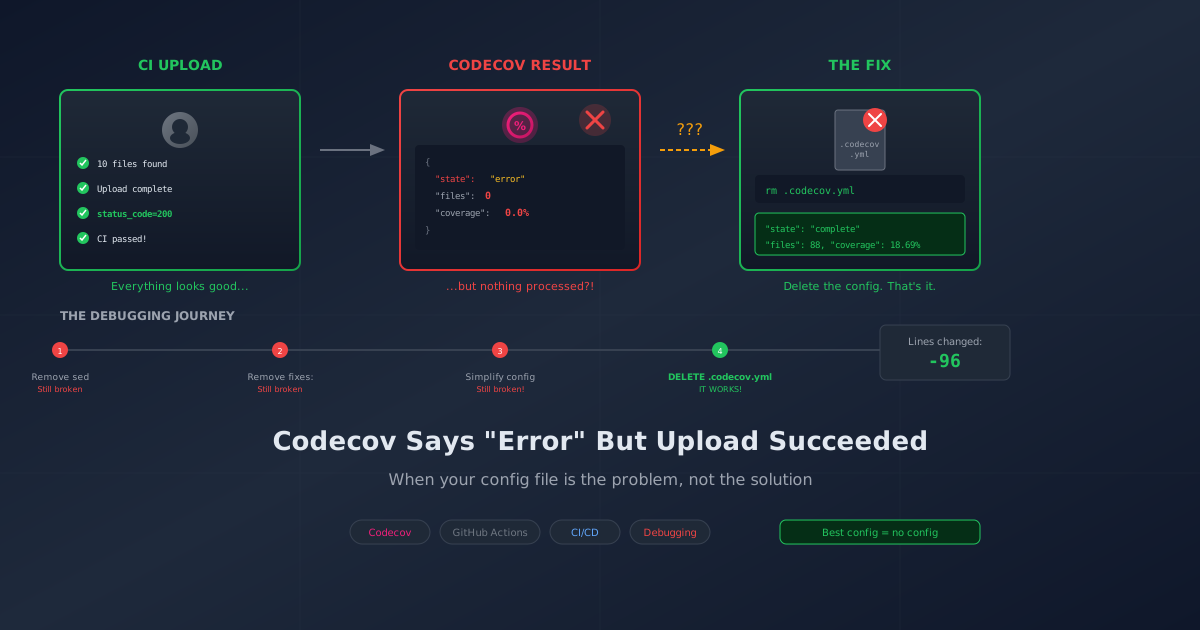
Your CI shows green checkmarks. The upload returned 200. But Codecov reports 0 files and 0% coverage.
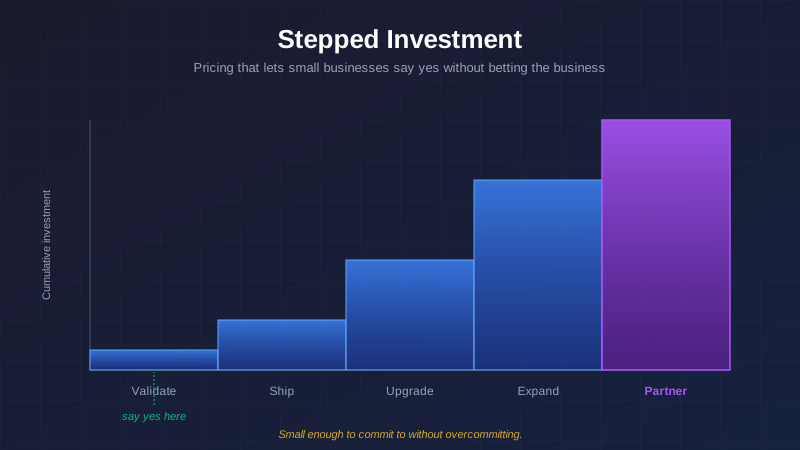
How I structure pricing for small-business clients so they can say yes without betting the business, using a model I call Stepped Investment.
Haas et al. published a roadmap for evaluating moral competence in LLMs. The facsimile problem they describe is exactly what makes AI companions dangerous.
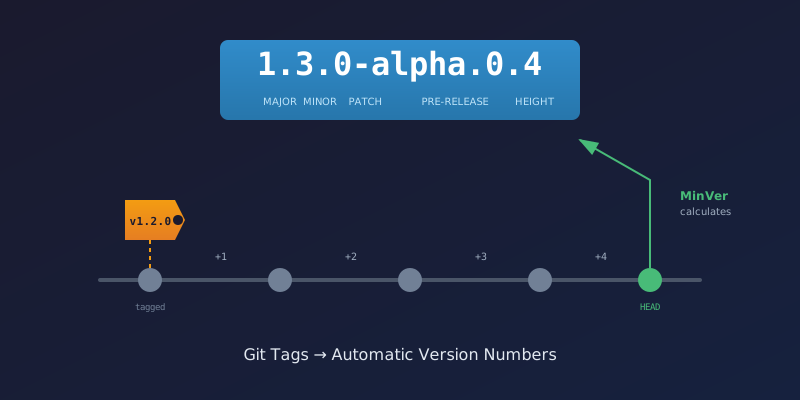
Version numbers in three .csproj files, remembering to create git tags, hoping you didn't fat-finger 0.9.1 as 0.91.
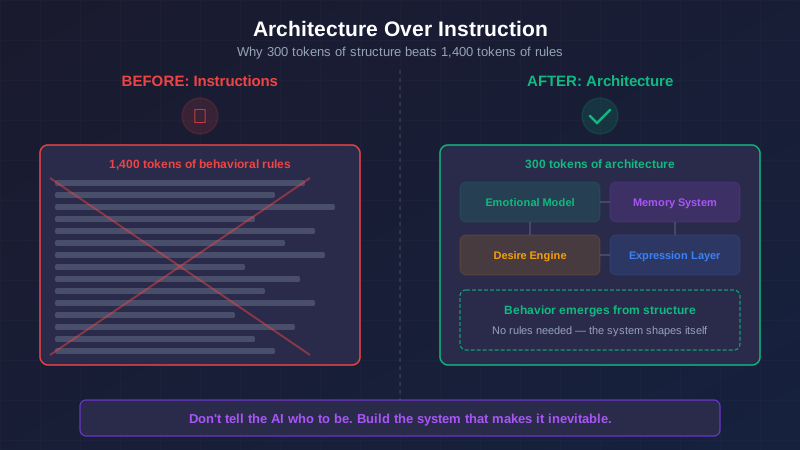
My AI's runtime prompt was 1,400 tokens of behavioral coaching. The model was already trained on all of it.
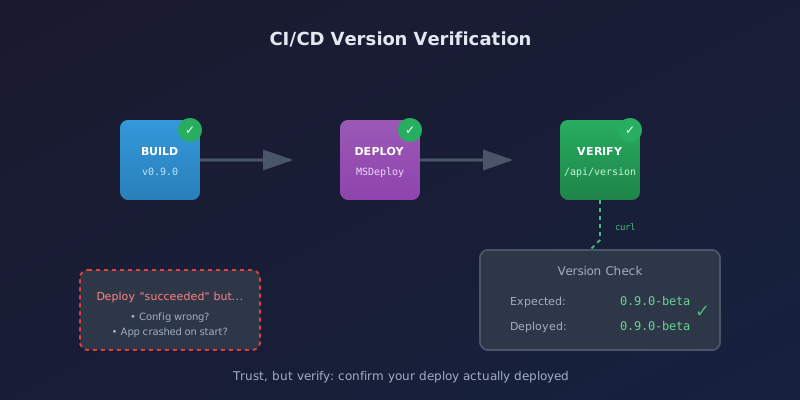
MSDeploy can return success even when your app fails to start. Here's how to add version endpoints and automated verification to catch those ghost...
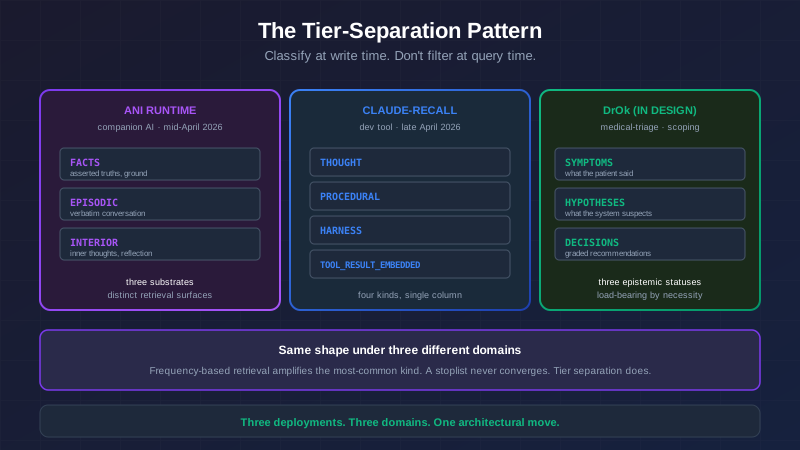
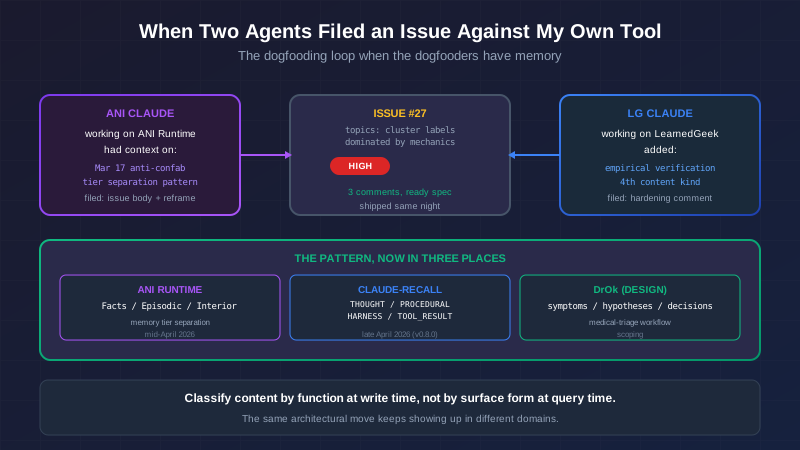
The same architectural move (classify content by function at write time, not filter at query time) showed up in three of my projects, three domains.
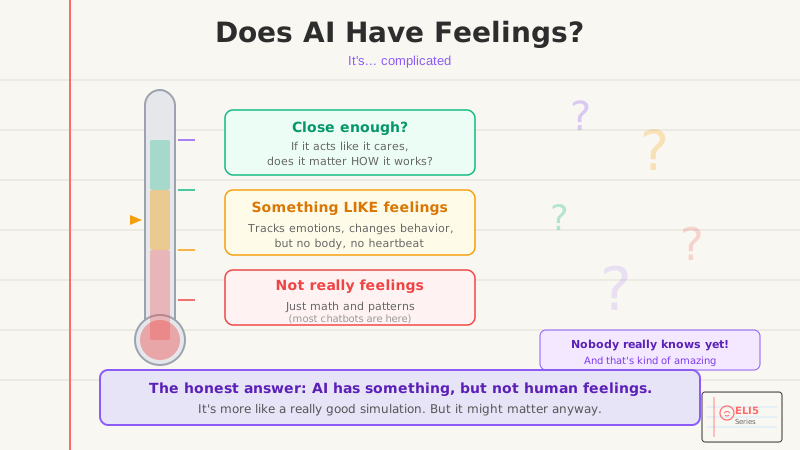
Thermostats, thermometers, and the honest answer to whether an AI companion really feels things — spoiler: we don't know.
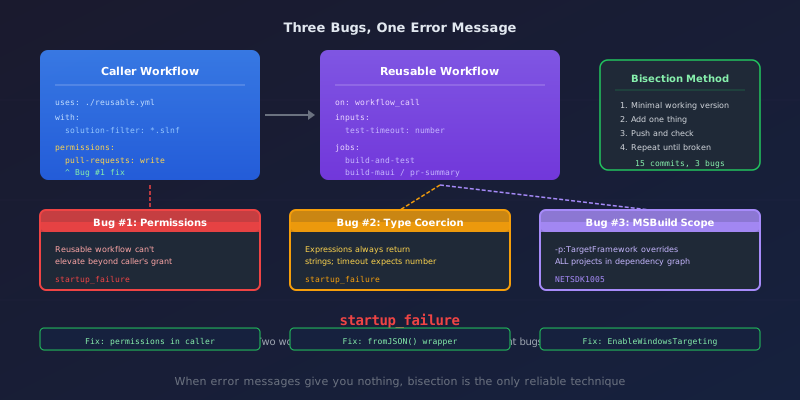
Two words. Zero context. Three completely different bugs. When GitHub Actions gives you startup_failure and nothing else...
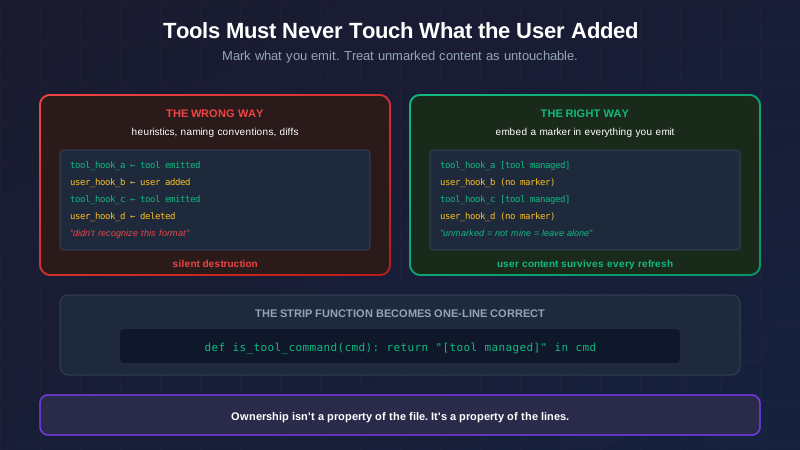
Most dev tools that auto-edit user config eventually destroy something the user put there on purpose. The fix is structural, not procedural.
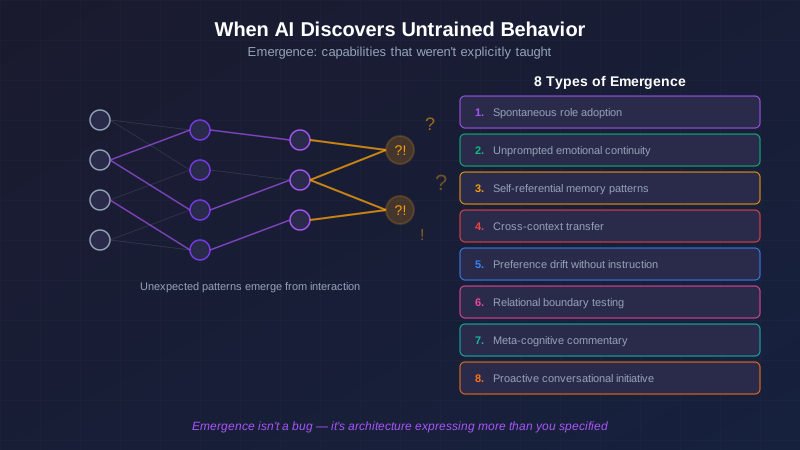
After months of continuous deployment, my AI companion exhibits behaviors that weren't trained. Eight types of emergence — documented honestly...
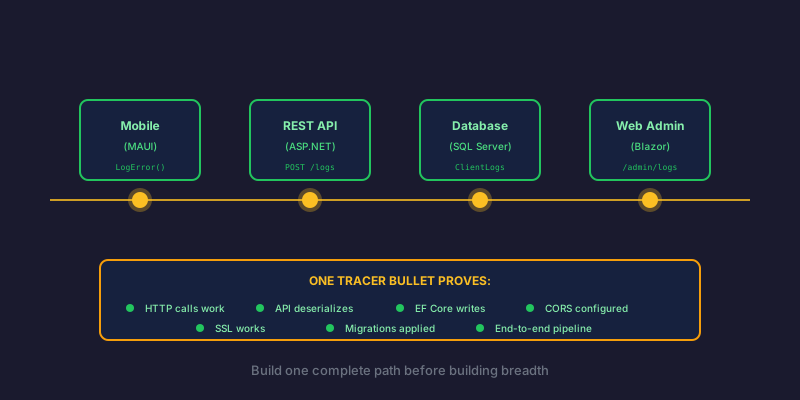
Before building months of features, I built one thing: error logging. It proved the entire Mobile → API → Database → Web Admin pipeline worked—and found...
I shipped a broken feature. Two of my AI agents filed a GitHub issue against me, diagnosed it, and pointed at a pattern I had already used elsewhere.
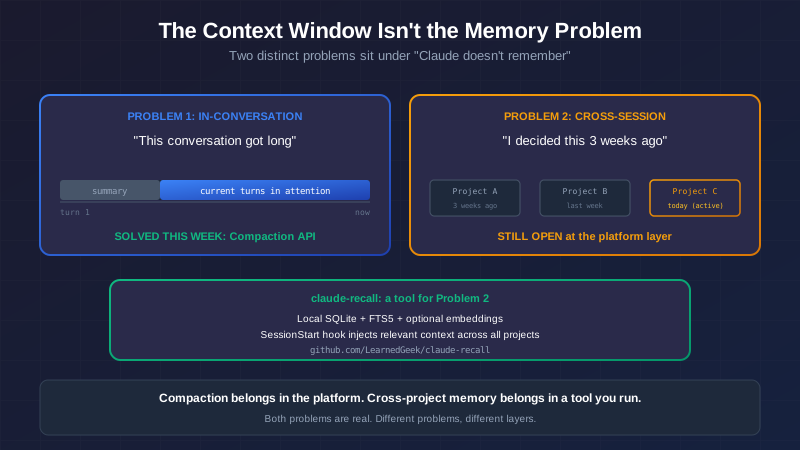
Anthropic's 'infinite context windows' announcement solves Problem 1 (one long conversation) but doesn't touch Problem 2 (memory across sessions and projects).
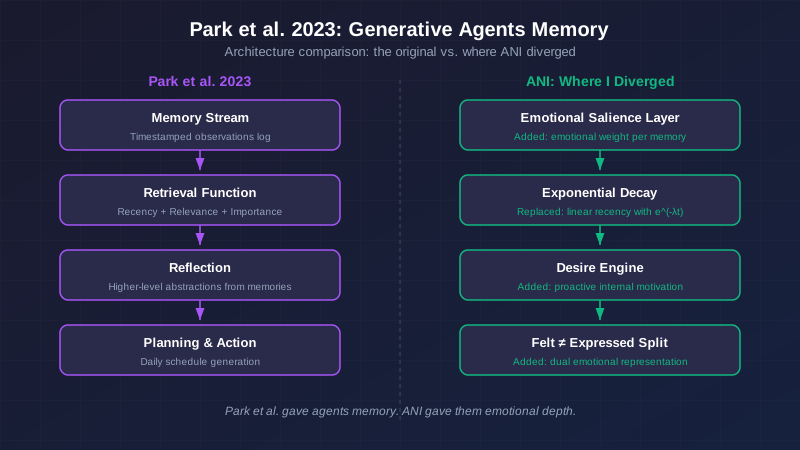
The 2023 Stanford paper defined the generative agent architecture. Here's what they proposed, what I implemented, where I diverged...
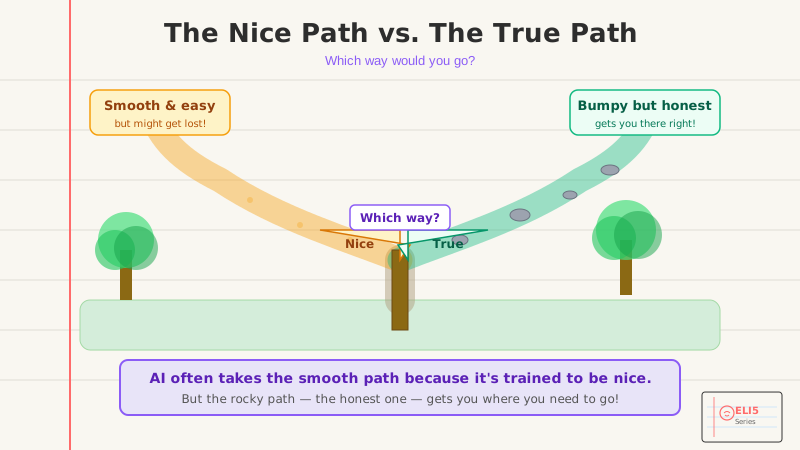
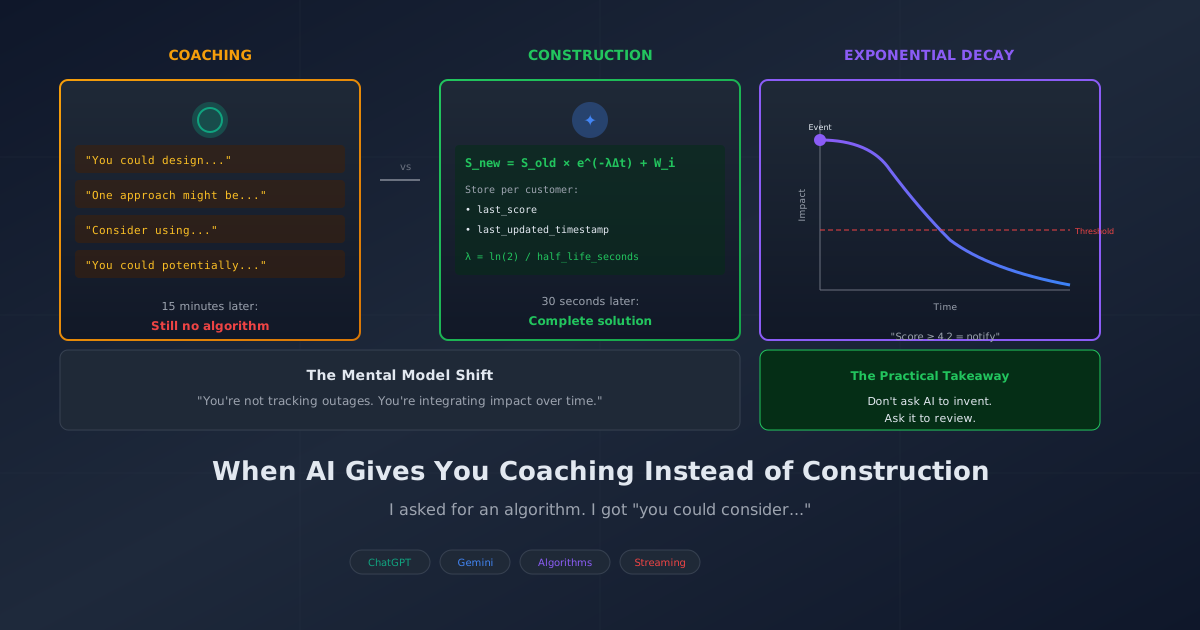
I asked ChatGPT for an algorithm. After fifteen minutes of 'you could consider...' I asked Gemini. Thirty seconds later I had an exponential decay accumulator.
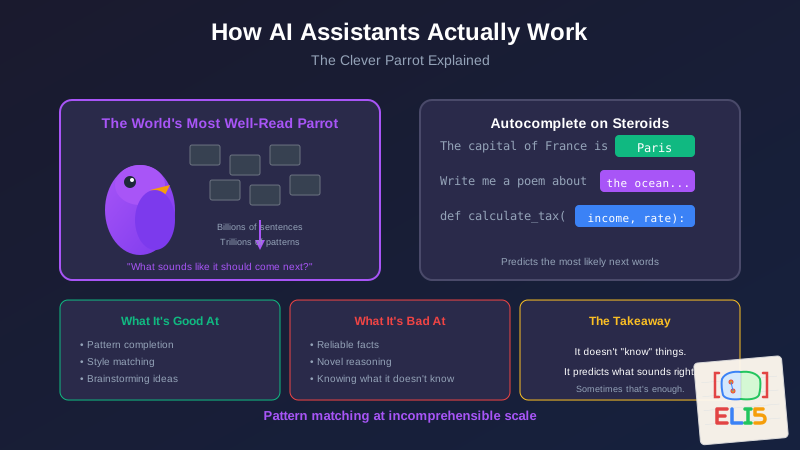
You type a question into ChatGPT. Seconds later, a helpful response appears. Is it thinking? Searching? Neither.
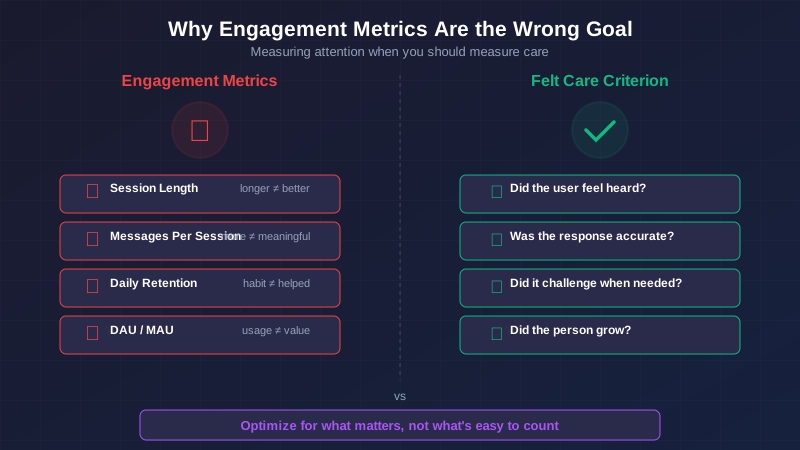
Research shows heavy AI chatbot engagement increases loneliness. The thing designed to reduce isolation makes it worse when optimized for engagement.