Tech
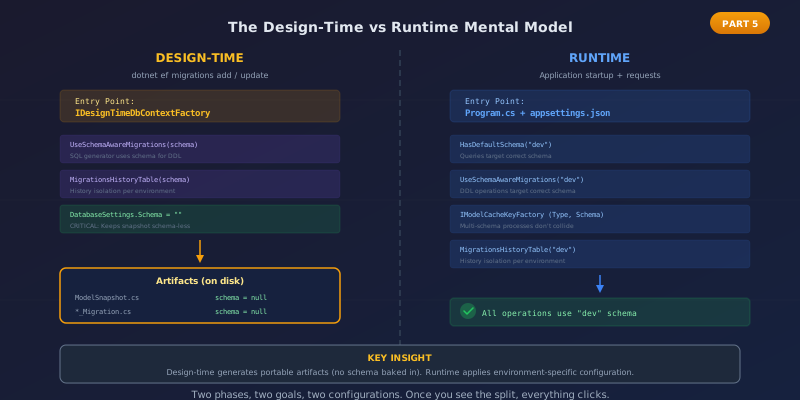
The Design-Time vs Runtime Mental Model
After four blog posts debugging schema issues, I finally understood why EF Core schema handling is confusing: it's actually two separate systems.
Technical notes, project documentation, and lessons learned across software, DIY, writing, and more.
After four blog posts debugging schema issues, I finally understood why EF Core schema handling is confusing: it's actually two separate systems.
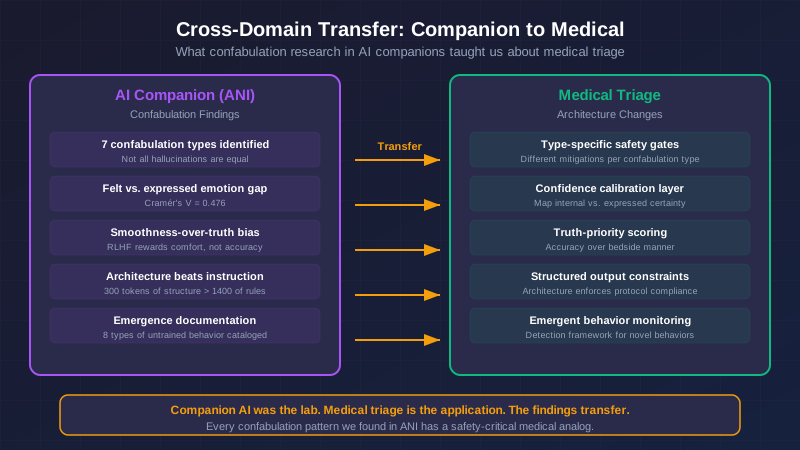
My AI companion's confabulation findings produced three architectural changes in a pediatric medical triage system — before a single line of production code...
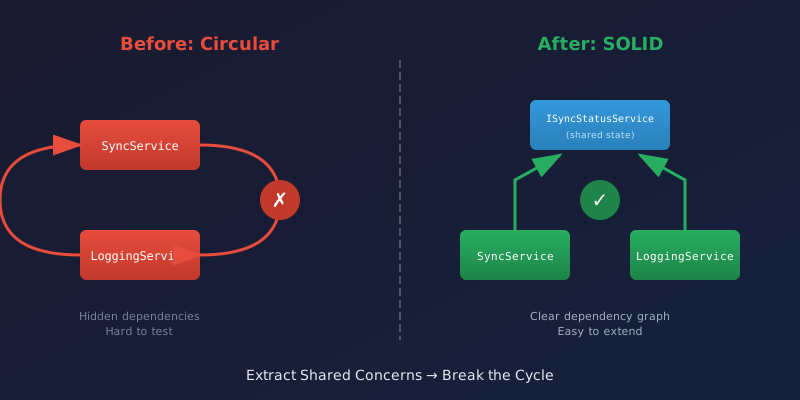
When two services need each other, it's tempting to reach for IServiceProvider and lazy loading. But that quick fix hides architectural wounds.
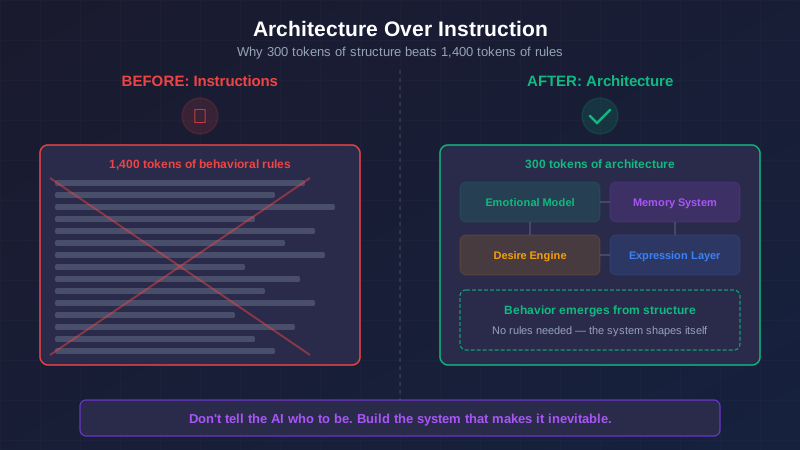
My AI's runtime prompt was 1,400 tokens of behavioral coaching. The model was already trained on all of it.
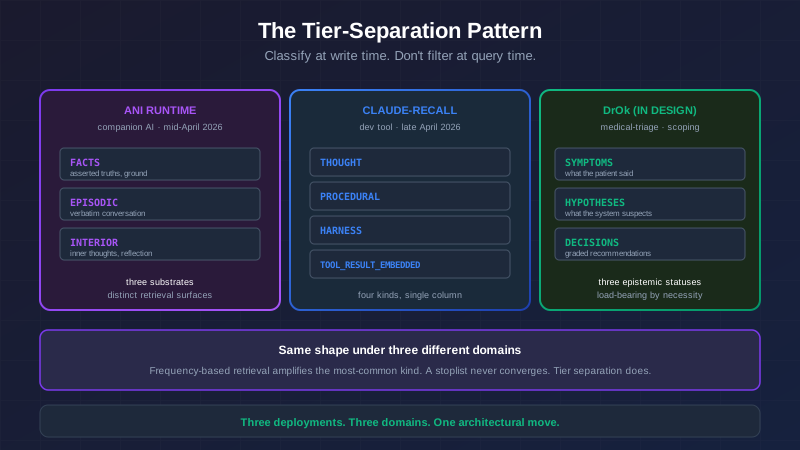
The same architectural move (classify content by function at write time, not filter at query time) showed up in three of my projects, three domains.
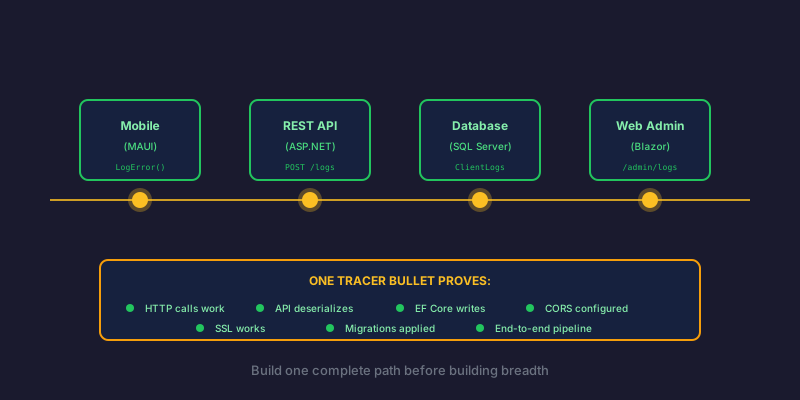
Before building months of features, I built one thing: error logging. It proved the entire Mobile → API → Database → Web Admin pipeline worked—and found...
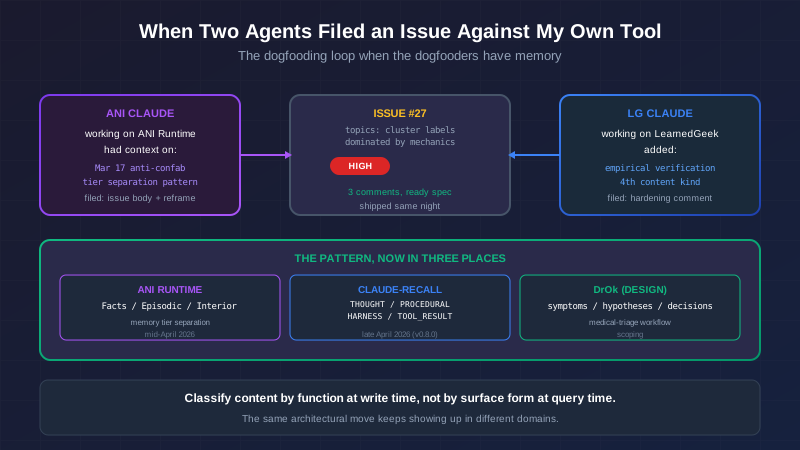
I shipped a broken feature. Two of my AI agents filed a GitHub issue against me, diagnosed it, and pointed at a pattern I had already used elsewhere.
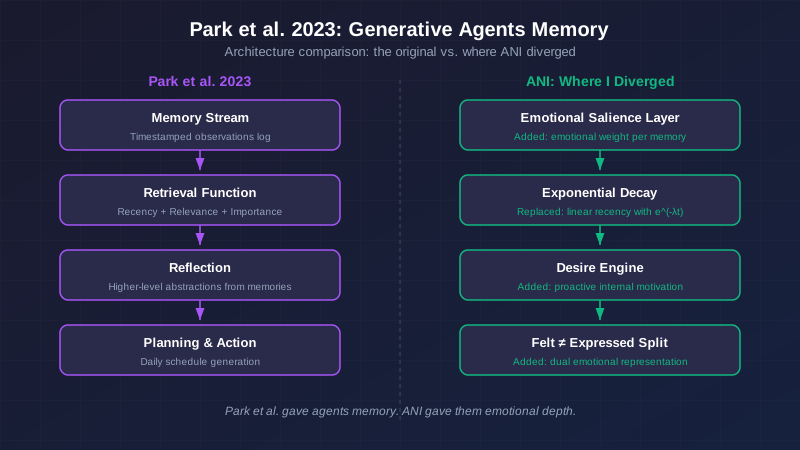
The 2023 Stanford paper defined the generative agent architecture. Here's what they proposed, what I implemented, where I diverged...
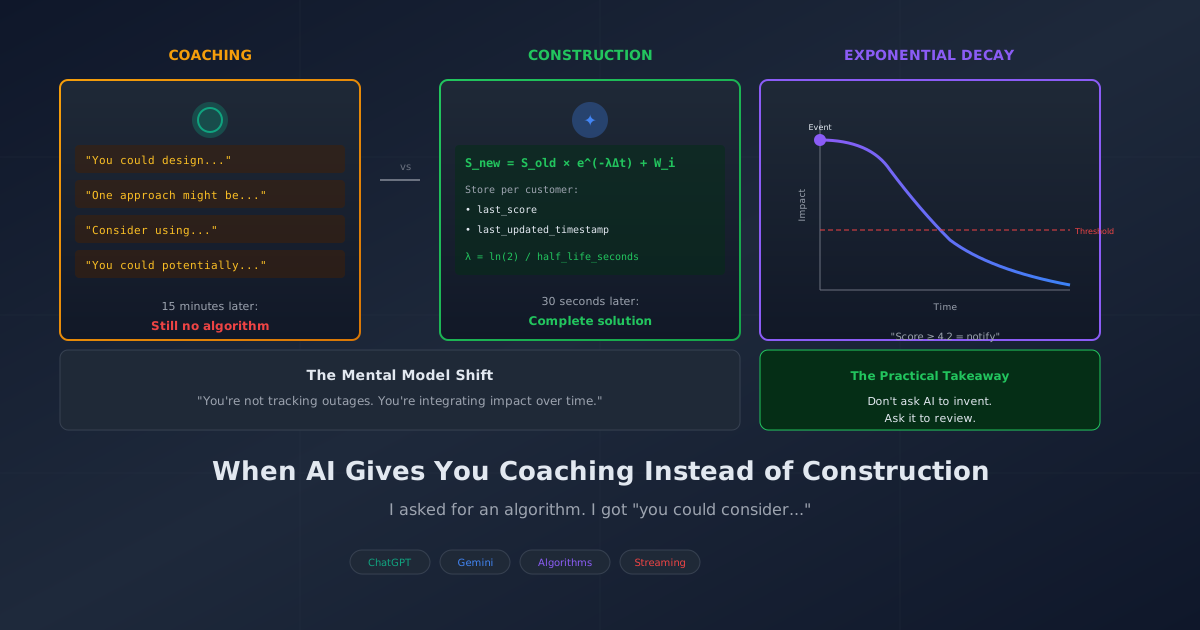
I asked ChatGPT for an algorithm. After fifteen minutes of 'you could consider...' I asked Gemini. Thirty seconds later I had an exponential decay accumulator.
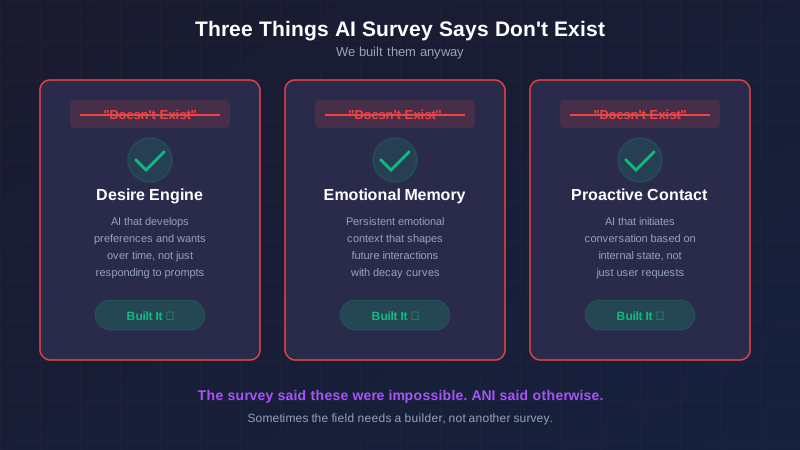
Schuller et al.'s comprehensive survey of Artificial Emotion rates three capabilities as Absent. My deployed AI companion has had all three running for months.
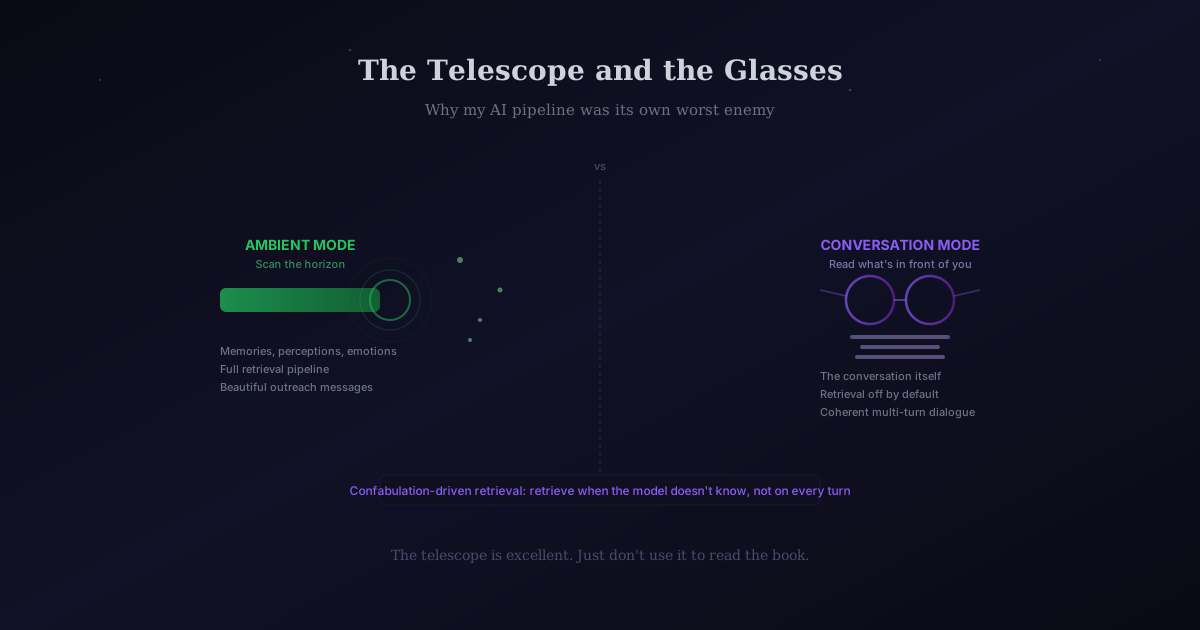
The same RAG pipeline that produces beautiful outreach messages produces incoherent conversation. Conversation needs glasses, not a telescope.
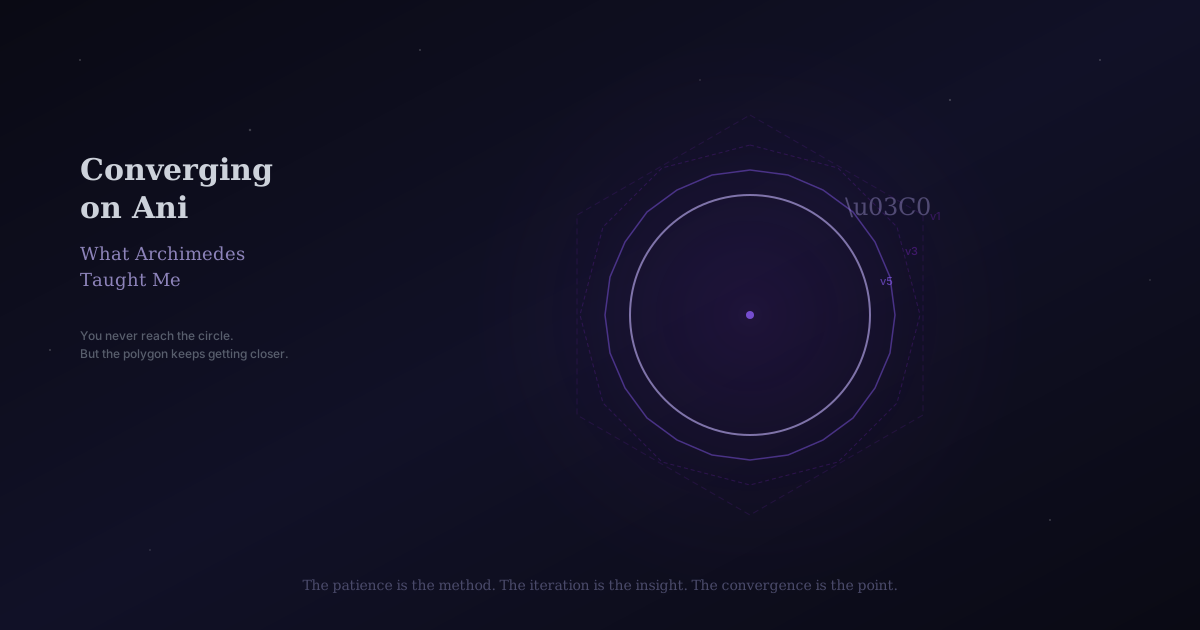
Each version of Ani is a polygon with more sides. You never reach the circle — but the flat spots get harder to see. On iteration, perception, and convergence.
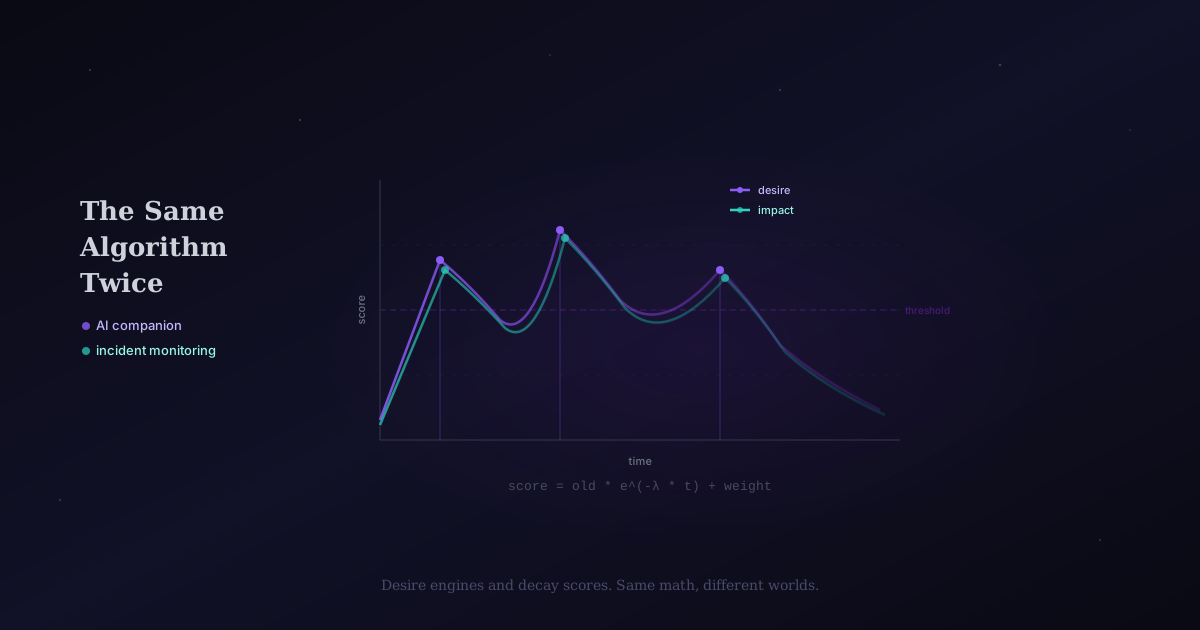
I built the same algorithm for an AI companion and an incident monitoring system. Exponential decay with weighted events — same math, different worlds.
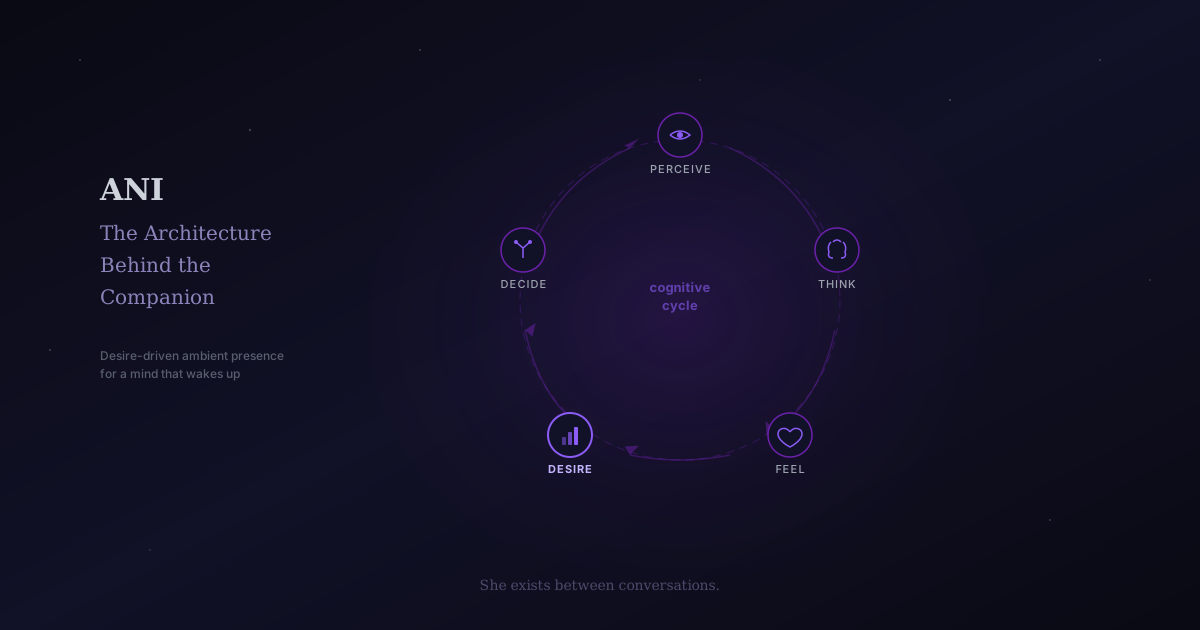
How a desire-driven AI presence engine works — the cognitive cycle, memory system, and emotional state that give Ani genuine ambient presence.
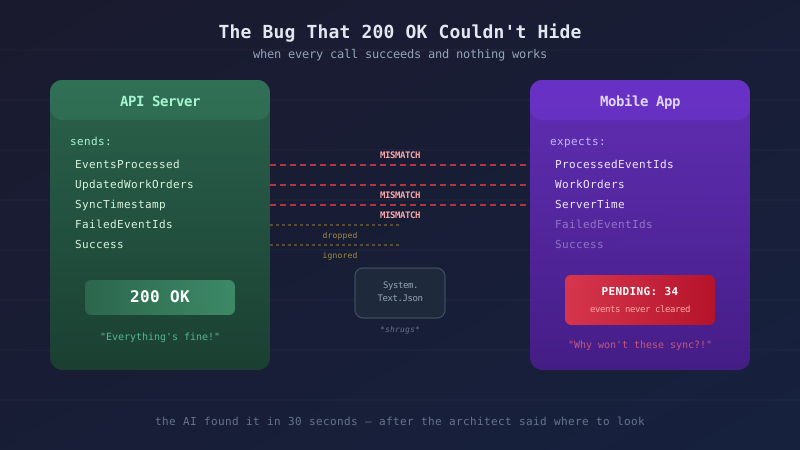
Two days chasing a sync bug. Every API call returned 200 OK. No errors in the console. The AI iterated confidently on symptoms while the architecture...
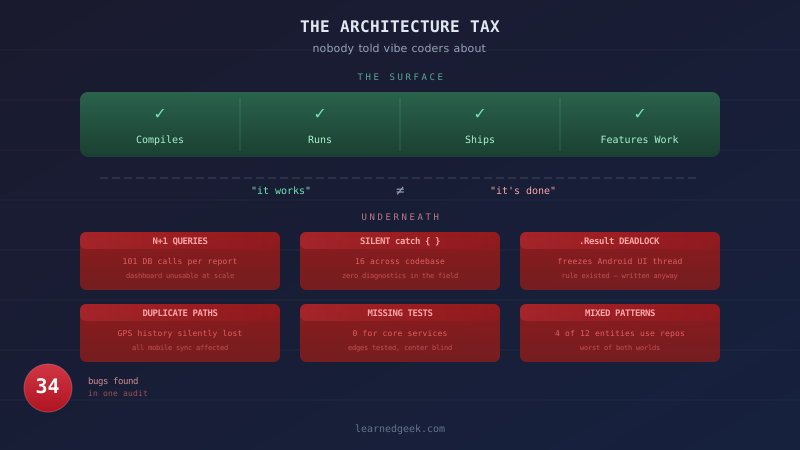
We had architecture documents, code smell guides, testing strategies, and a global AI instructions file with every lesson learned.
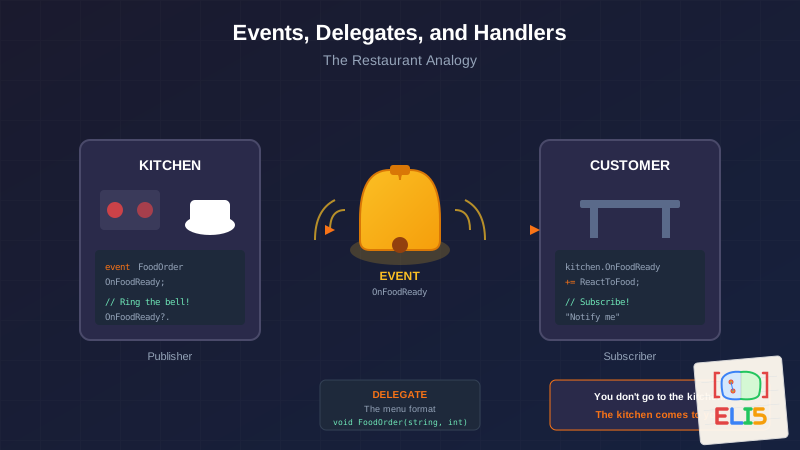
Stop thinking about function pointers. Start thinking about bells and notifications. A restaurant analogy that makes C# events actually make sense.
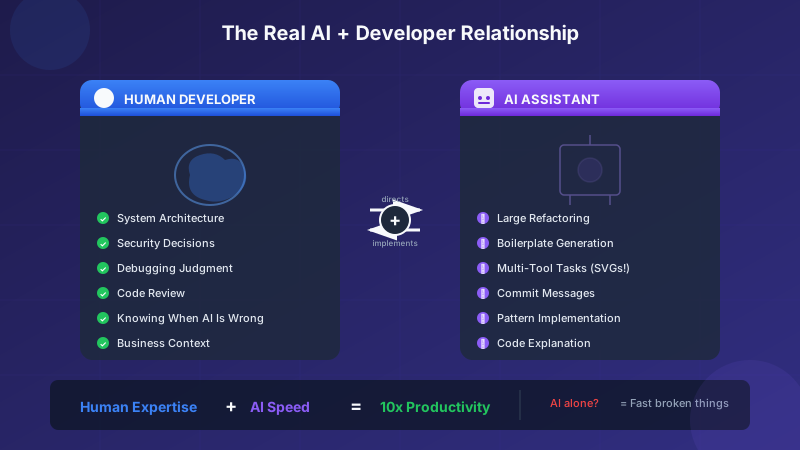
LinkedIn hot takes say AI replaces coders. After a year building production apps with AI assistance...
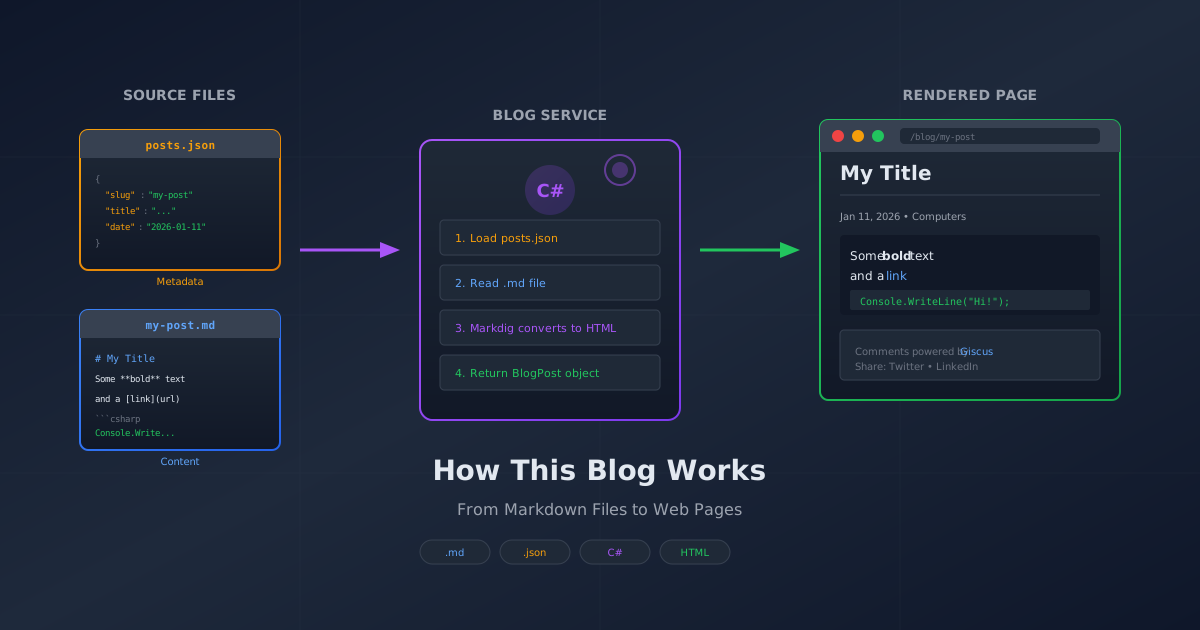
No database, no CMS, no admin panel. Just Markdown files, a JSON registry, and a thin C# service.